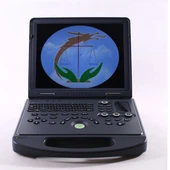
Uroflowmetry, a diagnostic procedure used to assess urinary flow rates, plays a crucial role in the evaluation of lower urinary tract function. The Uroflowmetry Device (UD) is a cutting-edge medical instrument designed to accurately measure and analyze urine flow patterns, providing valuable insights into various urological conditions. This article aims to introduce the UD, highlighting its advanced features, benefits, and the impact it has had on urological diagnostics.
The UD incorporates advanced sensor technology and sophisticated algorithms to capture and analyze urine flow rates with exceptional precision. Its non-invasive design allows for convenient and hygienic measurements, making it suitable for patients of all ages, including children and elderly individuals.
The device is equipped with a high-resolution digital display that provides real-time graphical representations of the urine flow curve. This visual feedback enables healthcare professionals to assess the characteristics of the flow, including peak flow rate, voided volume, time to peak flow, and flow pattern. Additionally, the UD offers the flexibility to customize measurement parameters based on specific patient needs, enhancing its versatility in clinical settings.
With the UD, healthcare professionals can accurately quantify and document urinary flow rates, facilitating objective evaluation and monitoring of treatment outcomes. The device also enables early detection of abnormalities in urinary flow, allowing for timely intervention and improved patient care. Moreover, the UD's user-friendly interface and automated measurement functions streamline the workflow, saving valuable time for both clinicians and patients.
The Uroflowmetry Device stands as a remarkable technological advancement in urological diagnostics, offering accurate and comprehensive measurements of urine flow rates. With its advanced features, user-friendly design, and impact on urological care, the UD has become an indispensable tool for healthcare professionals in assessing lower urinary tract function. By providing precise data and facilitating efficient diagnosis, the UD contributes to improved patient management and overall urological health.